
Clothoff
4 months ago
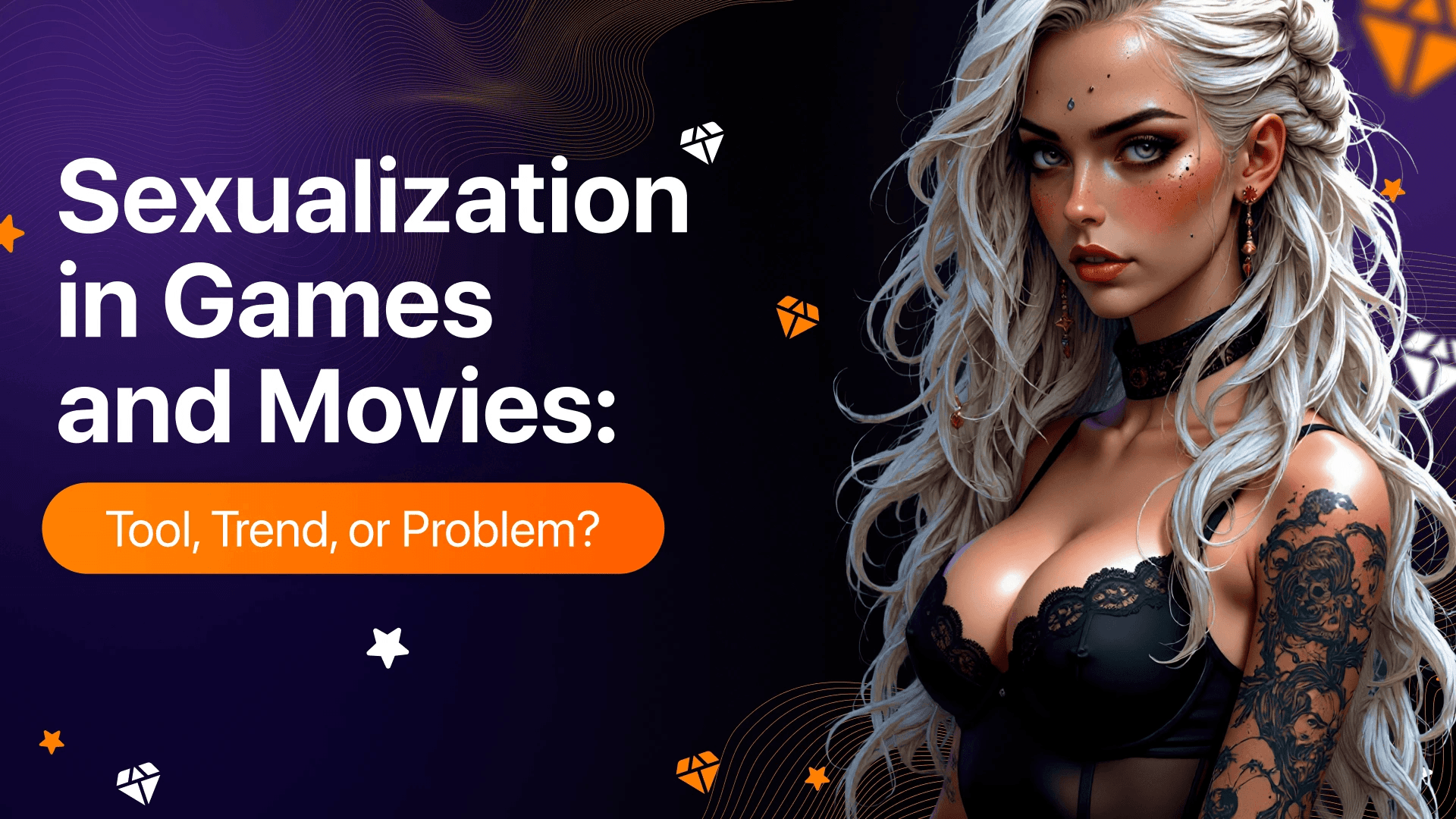
Sexualization in Games and Movies: Tool, Trend, or Problem?
Why creators keep doing it
The psychology behind it
When it works — and when it doesn’t
So… is it a problem?
Final thought
Let’s be honest: you’ve noticed it. Everyone has.
From early versions of Lara Croft with impossible proportions, to Bayonetta strutting into battle like it’s a fashion show, to Triss Merigold conveniently dressed for… not the weather. And don’t even get started on anime — half the time physics just quietly leaves the room.
And every time this comes up, the same argument starts: “It’s art.” “No, it’s cringe.”
So what is it really — lazy fanservice or a legit creative tool?
Short answer: because it works.
First — marketing. Sex has been selling everything from perfume to cars for decades. Games and movies are no different. A striking, sexy character is instantly memorable. You don’t need a deep backstory to grab attention — the design already did the job.
Second — genre.
Fantasy, action, anime, even some sci-fi — exaggeration is part of the deal. Nobody complains that swords are too big or explosions too dramatic. Sexualization often sits in that same “heightened reality” zone.
Third — audience demand.
People like looking at attractive characters. That’s not controversial, it’s just human. Whether it’s a hyper-stylized heroine or a perfectly sculpted superhero, visual appeal is part of the experience.
Here’s where it gets more interesting.
Humans are wired to respond to idealized bodies. Symmetry, proportions, exaggerated traits — all of that taps into basic attraction mechanisms. It’s biology, not just culture.
But there’s also escapism.
Games and movies aren’t real life — and that’s the point. They’re spaces where everything is pushed a little further: stronger heroes, bigger stakes, and yes, hotter characters.
Then comes the big debate: male gaze vs female gaze.
The “male gaze” typically focuses on visual sexuality — bodies framed for admiration. The “female gaze” often leans more into presence, charisma, and emotional pull.
That’s why a character like Bayonetta works for some people — she’s not just sexualized, she’s in control of it. Meanwhile, a random “armor bikini” warrior often feels flat, because there’s nothing behind the design except “make her hot.”
Sexualization isn’t automatically bad. It depends on execution.
Works well:
Falls apart:
There’s also an interesting twist with male characters.
Look at modern superhero films or even live-action anime adaptations like One Piece. Male bodies are absolutely sexualized — but differently. It’s less about exposure, more about power fantasy: strength, confidence, dominance.
Nobody calls it out as loudly, but it’s the same mechanism — just packaged differently.
Not inherently.
Sexualization becomes an issue when it replaces character depth or feels forced and out of place. But when it fits the tone, supports the narrative, or simply leans into stylization — it’s just another creative choice.
At the end of the day, audiences decide. If something feels cheap, people notice. If it works, they don’t question it — they just enjoy it.
Sexualization isn’t going anywhere. It’s too tied to human psychology, aesthetics, and storytelling.
The real question isn’t “should it exist?” It’s “does it make sense here?”
And honestly? Sometimes you want deep writing. Sometimes you just want cool characters who look ridiculously good doing cool things.
Both can coexist.
Now go on — open porn generator and make someone dangerously attractive. For research purposes, obviously.



Upload your photo and let our AI do the magic. Fast, secure, and anonymous

